
Creativity Doesn’t Always Look Like Art
If you had asked me a few weeks ago what creativity looked like, I probably would have pointed you to my art room, to my iPad or to one of my many sketchbooks. I’d show you the repeating patterns I draw for wallpaper and fabric. I’d tell you about color palettes, sketching ideas, and the excitement of seeing a collection come together. I never would have told you creativity looked like a medication tracker. But life has a funny way of changing your perspective.
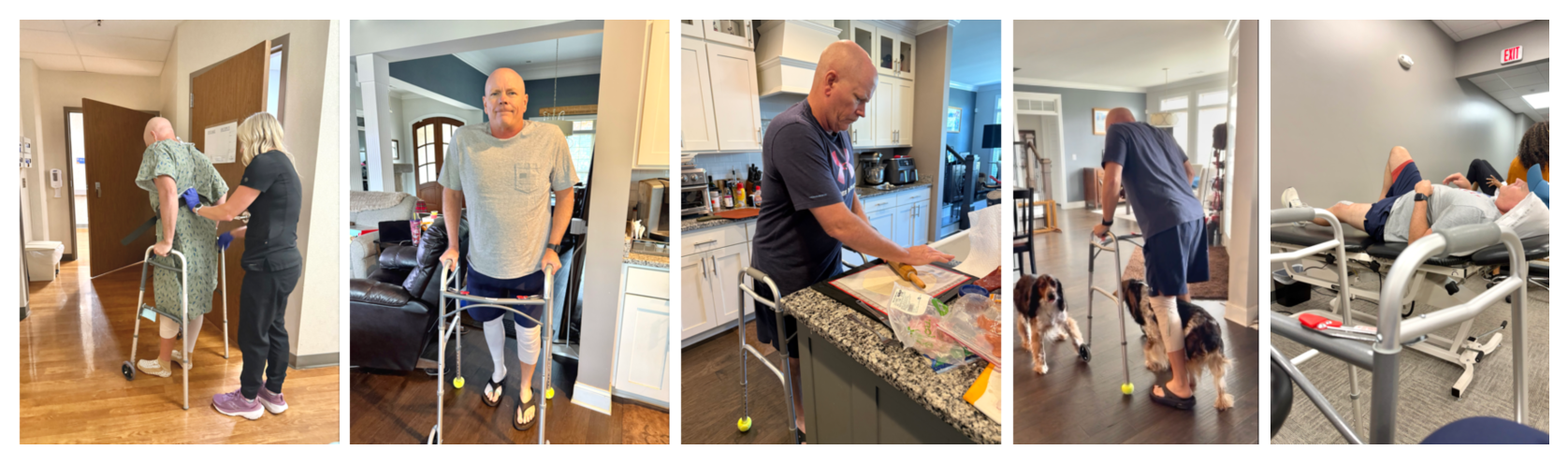
A few weeks ago, my husband had total knee replacement surgery. Like so many people preparing for this surgery, we were nervous about what recovery would be like. We’d heard how painful it could be and expected the first few weeks to be a real challenge. What surprised us most was surgery day itself. His surgery was at 7:00 that morning. Within hours he was walking. Before we even left the hospital, physical therapy had him practicing stairs. By 1:30 that afternoon, we were already back home. That part amazed me.
Then reality set in.
We came home with eleven different medications, each on its own schedule. He needed to ice his knee every hour for thirty minutes. Every hour he also needed to get up and walk for five to ten minutes, followed by exercises to keep his new knee moving. It quickly became a cycle of medication, icing, walking, exercising, and starting all over again. My brain wasn’t thinking about art. It was thinking, “I need a better system.” The surgeon had given us a simple medication chart, but because of the timing of surgery and when we actually started medications, it didn’t quite fit our schedule. It wasn’t wrong. It just wasn’t working for us. So on the very first day, I opened my computer and designed something better. I created a daily tracker that showed every medication in chronological order. I added checkboxes for icing, walking, and exercises. I left room for notes so I could write down anything unusual throughout the day.
It wasn’t fancy. It wasn’t beautiful. But it worked.

Those first couple of days went surprisingly well. We settled into a rhythm and the tracker helped me keep everything organized without constantly trying to what came next. Then day three arrived. Our surgeon had warned us that this would likely be the hardest day because the nerve block would begin wearing off. He was right. The pain increased. Recovery became much harder. Some hours we skipped a walk or delayed exercises because simply getting through the pain became the priority. By then, I was tired too.
Looking back, I realized something important.
The system I created on day one carried us through the hardest days. I no longer had to spend precious mental energy remembering every medication or wondering what came next. I could simply look at the page and focus my energy where it really belonged, taking care of my husband. As the days went on, I noticed something else happening. We flattened ice packs in the freezer so they wrapped around his knee better. We rearranged furniture to create a safe walking path with his walker. We made a simple pillow riser by putting two pillows inside one pillowcase so elevating his leg was easier and more comfortable. Little by little, we kept improving the process.
At first I thought I was simply being organized. Then one conversation changed everything. As I shared what I had been creating, someone pointed out something I had never considered. “This is creativity.” I honestly had never thought about it that way. For years, I believed creativity only happened when I was making art. But as I started looking back over my life, I realized I’d been creating systems for as long as I can remember.
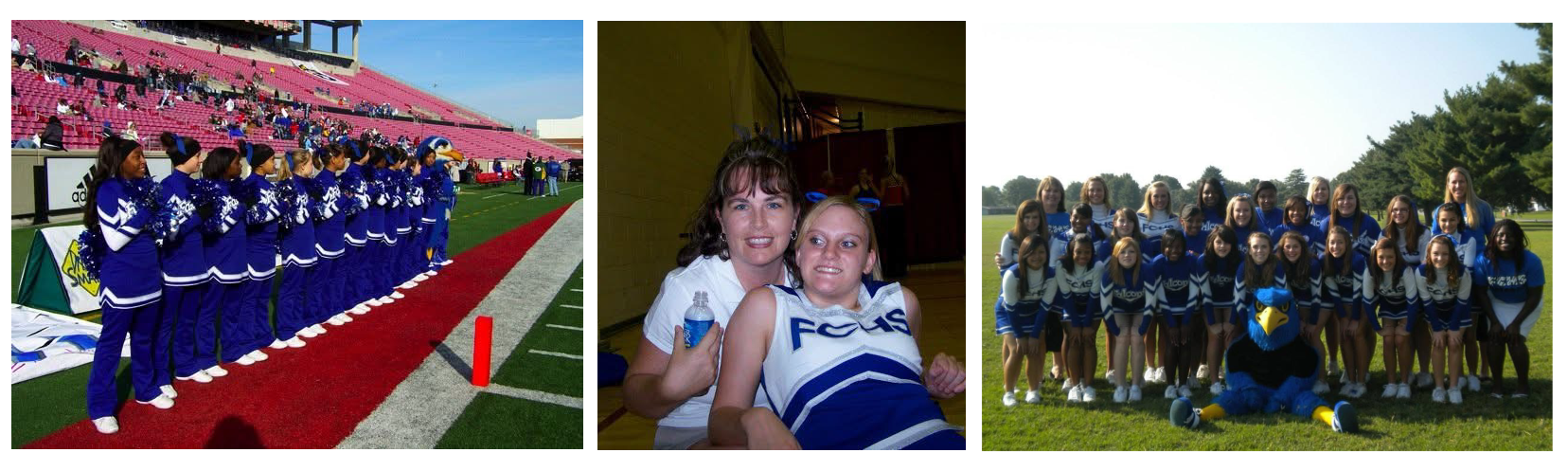
When I coached cheerleading, I built tracking systems for my athletes. I kept up with their fitness, grades, attendance, and even behavior. If a student made a poor decision, I often had them write about what happened and reflect on it before consequences were given. I wanted them to learn, not just be punished.
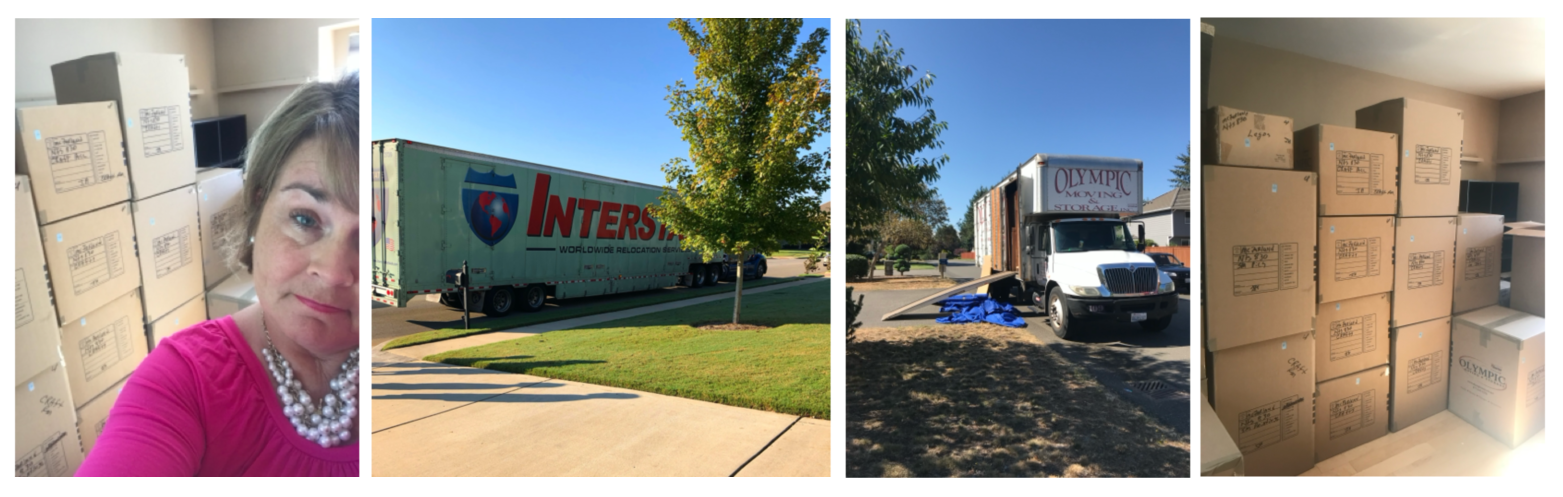
As a military family, organization became second nature. Every move included a large family binder filled with passports, birth certificates, insurance papers, medical records, financial documents, and everything else we couldn’t afford to lose. Alongside it was an accordion file for current orders, moving paperwork, and all the documents that changed during each relocation. After enough military moves, I developed systems for preparing our home before the movers even arrived.
When my in-laws lost their home to flooding after two hurricanes struck Florida just days apart, I created a system to document every damaged item with photographs, descriptions, and replacement information to help with insurance claims.
Even today, I keep an Airtable database for my Amazon Vine reviews that tracks every product, delivery date, review status, and estimated tax value.
The more I looked back, the more obvious it became. I wasn’t just being organized. I was designing solutions. That realization completely changed how I think about creativity. Creativity doesn’t always look like paint brushes or sketchbooks. Sometimes creativity looks like making life easier for someone you love. Sometimes it looks like bringing order to chaos. Sometimes it looks like solving a problem no one else has solved for you.

Ironically, while all of this was happening, I was also working on a brand new pattern collection. For weeks I’d been trying to design a golf collection. I had drawn golf clubs, golf carts, and all kinds of golf-themed ideas, but nothing felt quite right. One evening after a particularly difficult day of recovery, I didn’t have the energy to think creatively. I just wanted something simple. Something technical. Something that let my mind quietly focus. I started doodling a vintage golf scorecard. One line became another. Then another. Before I knew it, I had accidentally created the hero print for my entire golf collection. That moment made another light bulb go off.
The structure.
The organization.
The neat rows.
The thoughtful details.
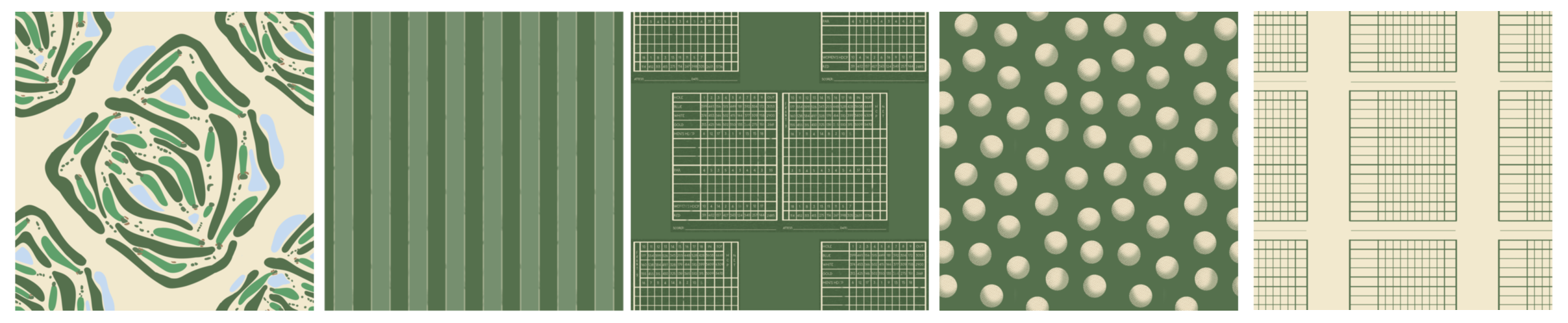
My artwork reflects the same way my brain naturally solves problems. For years I searched for my artistic style. I think most artists do. We start by making what we love. Then we start searching for “our style.” Sometimes we even try to force one because we think we’re supposed to have a signature look. But sometimes your style quietly finds you. Looking back now, I can see that every experience I’ve had has shaped the artist I am today.
My years as a cheer coach. Life as a military spouse. Helping family through hurricanes. Building spreadsheets and databases. Organizing moves. Designing systems. None of those experiences were separate from becoming a surface pattern designer. They were preparing me for it.
Just this week, while sitting at my husband’s physical therapy appointment, someone asked me what I do. For years I probably would have answered, “I’m just an artist.” This time I smiled and said, “I’m a surface pattern designer.” It was a small moment. But it felt different. Because now I understand that my creativity is much bigger than drawing patterns.
If life has unexpectedly changed your plans, I hope you’ll give yourself permission to lean into the season you’re in. The experiences you’re having today may not seem connected to the dreams you’re chasing. But they might be quietly shaping them. Nothing you’ve learned is wasted. Everything has a way of building on what came before.
As for me, I still love drawing wallpaper and fabric collections. I probably always will. But now I know that creativity isn’t something I turn on when I pick up my Apple Pencil. It’s simply how I move through the world.
And somehow, it took a knee replacement to help me finally see that.

Our cat quickly promoted herself to Head of Recovery Services.